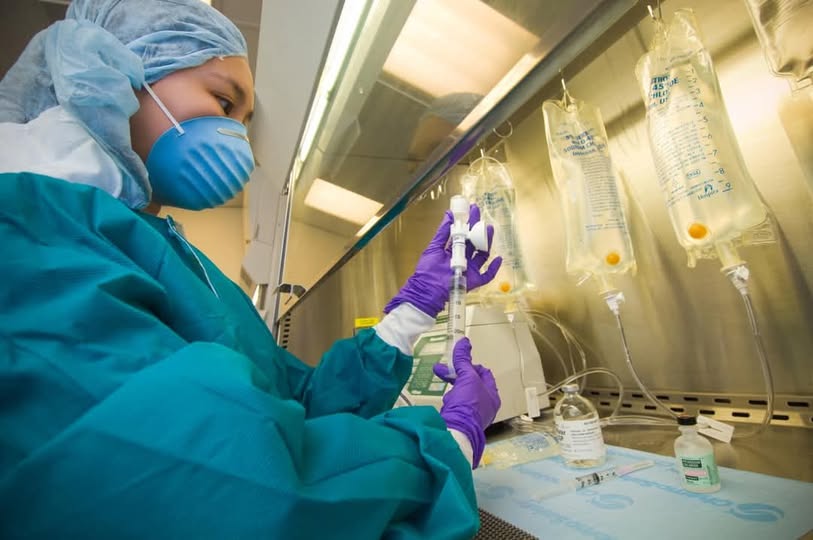
Pharmacists play a critical role in the preparation and dispensing of chemotherapy drugs, also known as cytostatics, which are essential for treating cancer. However, these drugs, while life-saving for patients, can be highly toxic and pose significant risks to healthcare professionals, particularly pharmacists who handle them on a daily basis.
Toxic Exposure:
Cytostatics are designed to target and kill rapidly dividing cells, but their toxicity is not limited to cancer cells. Pharmacists who prepare, handle, or administer these drugs are at risk of unintentional exposure. This can occur through inhalation of drug aerosols or dust, skin contact, or accidental needle sticks. Prolonged or repeated exposure to these chemicals can lead to various health problems, including skin irritation, reproductive toxicity, and even an increased risk of developing cancers later in life.
Health Risks:
The risks to pharmacists are not only related to immediate toxicity but also to long-term exposure. Studies have shown that handling cytostatics can increase the risk of chronic health conditions, including fertility issues, birth defects, organ damage, and blood disorders. Pharmacists working with these drugs are also at risk of developing respiratory problems if they are exposed to airborne particles.
Environmental Contamination:
The preparation of cytostatics often takes place in controlled environments such as clean rooms or dedicated chemotherapy preparation areas. However, accidental spills, leaks, or improper handling can result in contamination of the surrounding environment, posing risks to other healthcare workers, patients, and the general hospital environment. Cleaning up such spills requires meticulous protocols to prevent further exposure.
Psychological Stress:
In addition to the physical risks, pharmacists who regularly handle cytostatics may also experience psychological stress due to the high level of responsibility involved in ensuring the safe preparation and administration of these potentially dangerous drugs. The fear of accidental exposure, combined with the complexity of the task, can lead to burnout and anxiety.
Mitigating Risks:
1. Personal Protective Equipment (PPE):
The use of appropriate PPE, including chemotherapy gloves, gowns, masks, and face shields, is essential in reducing direct exposure to cytostatics. These protective measures help safeguard pharmacists during the preparation and handling processes.
2. Closed-System Drug Transfer Devices (CSTDs):
CSTDs are designed to minimize the risk of drug spillage and aerosolization during the preparation and administration of chemotherapy drugs. These devices provide an added layer of safety for pharmacists and other healthcare workers.
3. Ventilated Workspaces:
Cytostatic drugs should be prepared in well-ventilated areas such as biological safety cabinets or specialized chemotherapy hoods. These controlled environments ensure that any potential airborne particles are contained, reducing inhalation risks.
4. Regular Training and Safety Protocols:
Pharmacists should receive regular training on the proper handling, preparation, and disposal of cytostatics. Strict safety protocols must be followed to ensure both the safety of healthcare professionals and the patients they treat.
5. Health Monitoring and Surveillance:
Continuous health surveillance of pharmacists who handle cytostatics is vital. Regular medical check-ups and monitoring for any signs of health issues related to drug exposure are essential for early intervention.
While pharmacists play a vital role in preparing and dispensing chemotherapy drugs, they are exposed to significant occupational health risks. Ensuring their safety involves the use of protective measures, proper handling techniques, and regular training. By prioritizing safety protocols and investing in preventive measures, healthcare institutions can protect pharmacists from the dangerous effects of cytostatics, while allowing them to continue providing essential care to oncology patients.
www.oncosafe.ro
Risks Pharmacists Face When Preparing Cytostatics