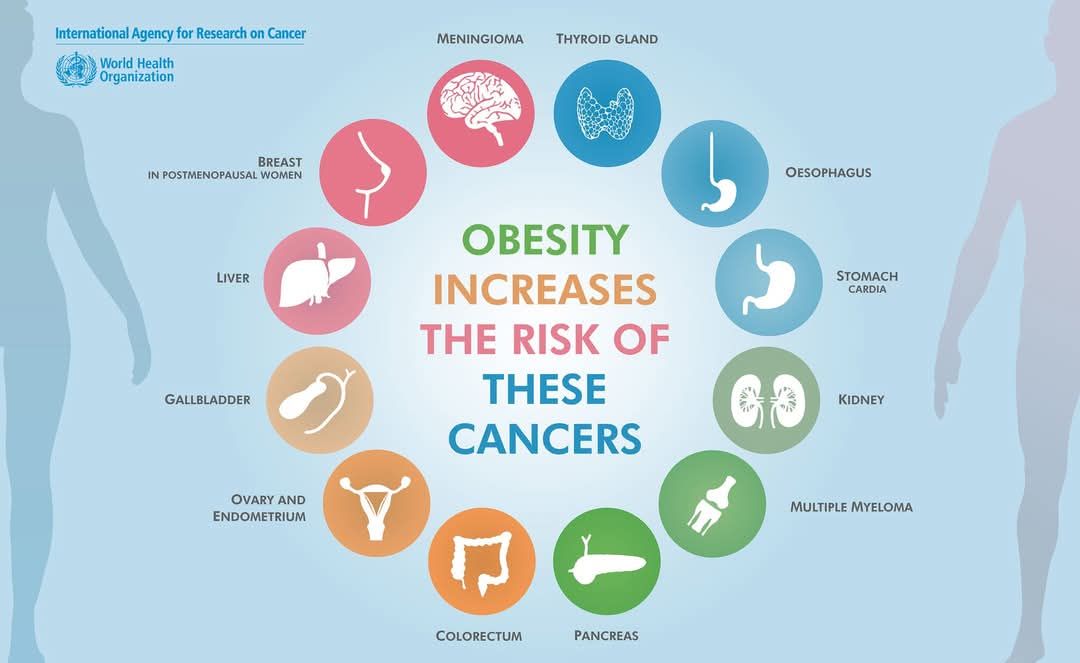
The good news is that obesity-related cancer risk is preventable. By adopting healthier lifestyle choices, individuals can significantly reduce their risk of developing obesity-related cancers.
1. Achieving and Maintaining a Healthy Weight
Maintaining a healthy weight is one of the most effective ways to reduce cancer risk. This can be achieved through a combination of a balanced diet and regular physical activity. Aiming for a BMI in the healthy range (18.5-24.9) and losing even a modest amount of weight can significantly lower cancer risk.
2. Eating a Healthy Diet
A diet rich in fruits, vegetables, whole grains, lean proteins, and healthy fats is essential for weight management and cancer prevention. Reducing processed foods, sugars, and unhealthy fats is critical to maintaining a healthy weight.
3. Regular Exercise
Engaging in regular physical activity helps regulate body weight and reduces inflammation. Exercise has been shown to decrease the risk of many types of cancer, including breast, colorectal, and endometrial cancers.
4. Avoiding Smoking and Excessive Alcohol
In addition to managing body weight, avoiding smoking and limiting alcohol consumption are key factors in reducing cancer risk.
Obesity is a preventable risk factor for cancer, and its role in the development of several types of cancer underscores the importance of maintaining a healthy weight. By understanding the connection between obesity and cancer, individuals can take proactive steps to reduce their risk through lifestyle changes like improving diet, increasing physical activity, and maintaining a healthy weight. Healthcare providers play a key role in educating patients about the risks of obesity and offering support for weight management. By making these changes, individuals can improve their overall health and significantly reduce their risk of developing obesity-related cancers.
oncology#safety#care
www.oncosafe.ro
The Role of Prevention and Lifestyle Changes